You know that low, fleshy weed with small paddle-shaped leaves and a tiny yellow flower? I found some in my garden the other day and realised I’ve pulled it up for years without thinking about it.
It’s called common purslane or Portulaca oleracea, but this time, something occurred to me.
It might be a weed, but it also happens to be one of the richest plant sources of omega-3 there is. Which sounds like a reason to leave it alone and start putting it in salads, until you look at what actually happens to it once you’ve eaten it.
The word omega-3 covers more than one thing, and the difference matters.
Plants give you a form called ALA. That’s what’s in purslane, and in flaxseed, walnuts and rapeseed oil. Oily fish give you two different ones, EPA and DHA. Same family, but not the same job.
EPA and DHA are the forms your body builds into cells. Every cell you have is wrapped in a membrane made partly of fat. It’s built from available fats, so what you eat is what it has to work with.
Your body can turn ALA into EPA, but it does so slowly and inefficiently, and only a small fraction gets there. Converting it onwards into DHA is harder still, and often hardly worth the effort.
So the purslane in your salad is genuine omega-3. It just mostly stays as ALA, and ALA isn’t the form your cell membranes are asking for. You’ve eaten the right thing, but unfortunately, most of it hasn’t arrived where it needed to go.
This is a problem if you don’t eat fish.
Strict vegetarians and vegans are relying entirely on that conversion, and it’s very inefficient. Eggs help if you eat them. Not the standard supermarket sort, but eggs from hens that genuinely forage and eat insects, greenery, and whatever else they turn up. Dairy contributes a little too. They’re nothing, but neither gets you to the same place as a plate of sardines.
For anyone who doesn’t eat animal products, a supplement is the only way to get enough EPA and DHA.
Marine forms of omega-3 have no conversion problem. EPA and DHA go in and get used, and the amount that ends up in your cells tracks the amount you took in.
That’s unusually straightforward as biology goes. No trick to it, no clever timing. What you supply is roughly what you get.
This is the bit I find myself explaining in the practice room more often than anywhere else.
Most people are doing something. Stretching most days, walking more, sitting up straighter when they remember. All of it sensible, none of it wasted. And sometimes it still isn’t reaching the thing that needs to change, in the same way ALA doesn’t reach the cell membrane.
That isn’t a reason to do less. It’s the reason we check. When something isn’t landing, it’s usually not because the person wasn’t trying. It’s because the effort was going somewhere slightly to the left of where it was needed, and nobody had looked closely enough to notice.
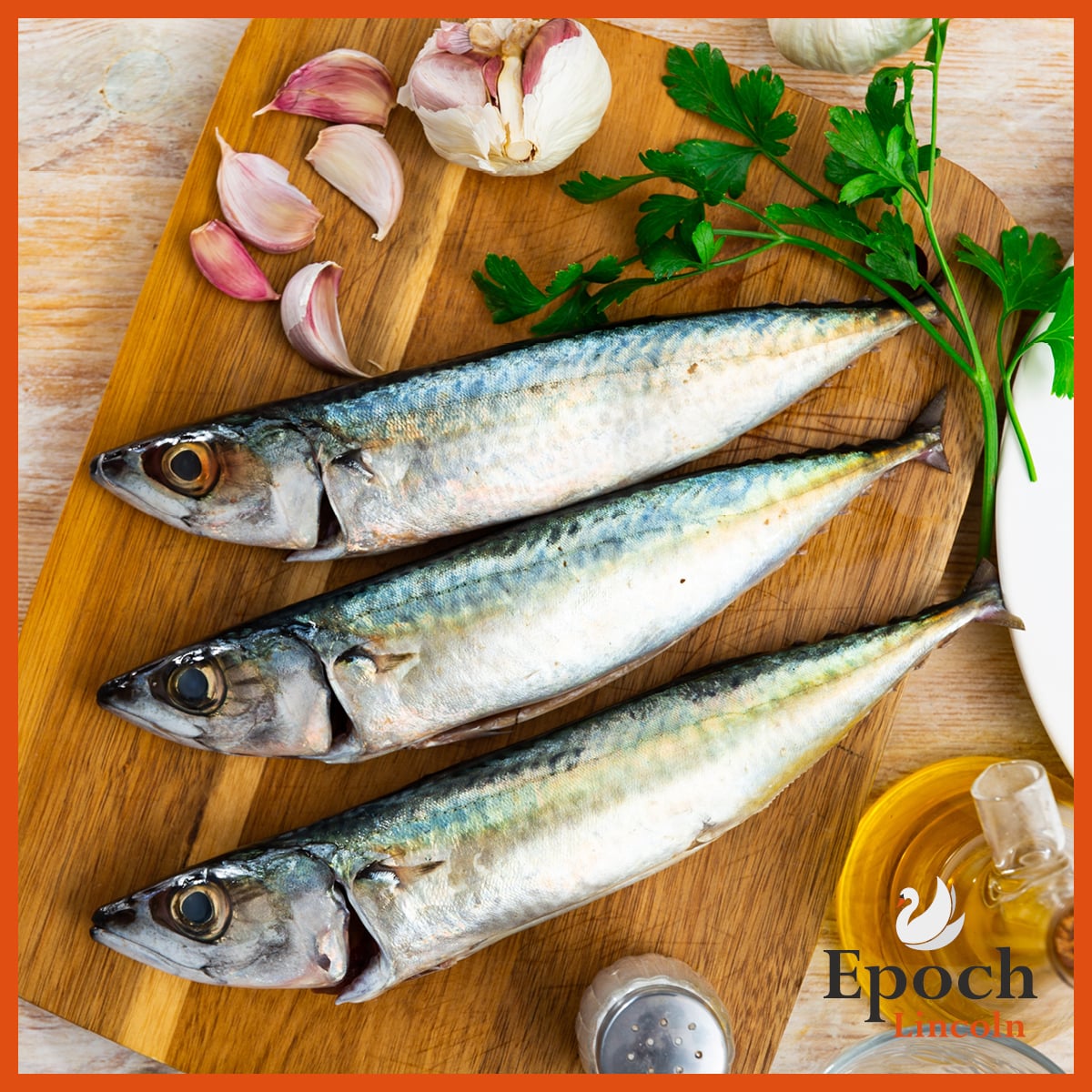
Oily fish is the direct route. Sardines, mackerel, salmon, herring. A couple of times a week and you’ve done the job.
I say that knowing how few people manage it. Most of us mean to and don’t, and the gap between intending to eat more fish and actually eating it is where a lot of people quietly sit for years.
Plant sources are still worth eating. Purslane included, if you can be bothered to wash it. They’re just not a substitute, and treating them as one is where people get stuck.
So it’s worth being honest with yourself about which of those you are. If the fish is genuinely happening, you don’t need anything else. If it isn’t, that’s the gap a supplement is for.
Look after yourself,
Tom