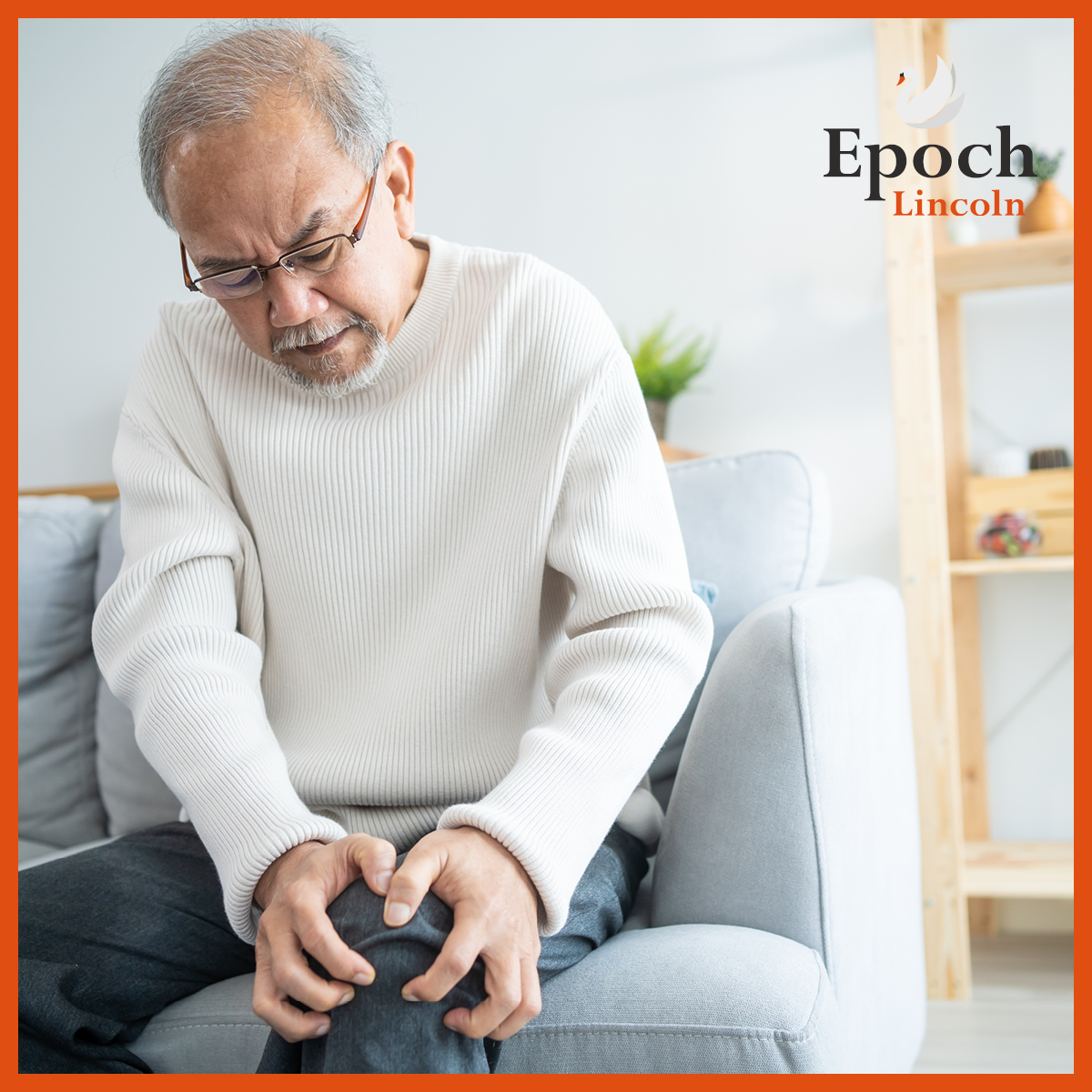
“Osteoarthritis” is a word that carries a weight of its own, often heavier than the symptoms themselves.
Maybe it showed up on an X‑ray report, or your GP mentioned it when you described your stiff, aching joints. Although often framed as “wear and tear”, osteoarthritis can nevertheless leave you feeling like your body is slowly wearing out and there’s nothing you can do about it.
But osteoarthritis isn’t the end of the story. It’s more of a “sign” that your joints need a different kind of support. Not fear, not resignation, but a clearer understanding of how they are moving and what they are coping with.
Osteoarthritis itself is a process where the cushioning in a joint thins over time.
Hormonal changes in women, especially after menopause, are a primary catalyst in this process because they can affect the systems that usually help protect and support inner joint mechanics. When those systems shift, the joints can become more sensitive and less able to cope with everyday forces.
In men, osteoarthritis is more often linked to mechanical factors like old injuries, repetitive strain or years of uneven load. Different pathways, but the same direction of travel: a joint that can become overloaded when it is asked to manage more than it is built to handle.
Once a joint is vulnerable like this, issues like poor mechanics or uneven load bearing can snowball and contribute to physical changes within it. What is often missed, however, is why certain joints wear faster than others.
This process is rarely random. It is usually shaped by how your body moves, how it distributes load and how well the surrounding joints are doing their share.
If one area becomes stiff or overloaded, another area often ends up taking the brunt of the work. Over years, that imbalance can speed up the wear in a particular joint. The goal is not to blame the joint but to understand the pattern.
Chiropractic care isn’t about reversing arthritis. We can’t regrow cartilage. What we can do is help the joint function as well as possible with the structure it has.
If your knee is arthritic, for example, we’ll also look at how your hip, ankle and lower back are moving. When those areas work well, the knee doesn’t have to absorb every bit of load on its own. That often means less stiffness, less irritation and more freedom in everyday movement.
It’s about improving the environment the joint lives in.
When a joint is already tender, the last thing you need is anything forceful. Our approach is calm, specific and respectful of what your body can tolerate.
We use low‑force adjustments and gentle mobilisation to help the joint move more comfortably. Even small improvements in movement can reduce stiffness, ease pain and help you feel more at home in your body again.
There’s a reason people say “motion is lotion.” Joints thrive on movement. It doesn’t have to be intense workouts but steady, consistent activity that keeps them nourished and supported.
We’ll guide you through simple, low‑impact exercises that help strengthen the muscles around the joint and improve your stability. Walking, swimming, light mobility work… These small habits can make a meaningful difference over time.
Lifestyle factors matter too. Things like maintaining a healthy weight, staying hydrated and eating in a way that supports your overall health can help reduce inflammation and support joint comfort.
It’s important to be honest: chiropractic care isn’t a cure for osteoarthritis. But it can help you manage the symptoms, move more freely and stay active in ways that feel good for your body.
For many people, that means less pain, more confidence and a better quality of life not because the arthritis has disappeared, but because the joint is functioning more efficiently and the surrounding areas are doing their part.
An osteoarthritis diagnosis doesn’t mean you’re stuck. It’s simply a prompt to look at how your body is moving and how we can support it to move better.
If you’re ready to explore ways to ease the discomfort and improve how your joints function day to day, I’m here to help.
With love,
Tom